
Energy Grid Risk Reshapes Cross-Asset Correlations

Geopolitical tensions targeting energy infrastructure are fundamentally reshaping risk dynamics and cross-asset correlations, driving up oil prices and firming safe-haven currencies.
The current global landscape, fraught with geopolitical tensions, has elevated energy infrastructure to a direct battleground, rapidly reshaping conventional market correlations. When critical infrastructure, particularly power grids, becomes a strategic target, risk is priced into assets faster than diplomatic efforts can unfold. This dynamic was vividly illustrated by recent attacks on Ukraine's power system, instantly pushing energy security back to the forefront of market concerns.
A strategic lens reveals that security policy is no longer mere background noise; it is a live price variable. Events like Oil Prices Up 1% as Iran Crisis Disrupts Middle East Supply and the discussion around Trump’s Critical Iran War Vision Revealed by Treasury Secretary Amid Trade and Tariff Warnings underscore how directly geopolitical developments transmit into asset prices. Energy commodities and safe-haven currencies such as the dollar and Swiss franc represent the fastest channels for this transmission.
Geopolitical Fault Lines and Market Impact
Several critical fault lines are converging to redefine market dynamics:
- Energy Infrastructure as a Battleground: Damage to thermal plants and the ensuing emergency outages impose a significant premium on power and gas prices. Simultaneously, insurance costs across affected regions are rising, reflecting the increased risk.
- Critical-Mineral Action Plans: Collaborative initiatives, such as those with the EU, Japan, and Mexico, place supply chains under direct policy control. This increases the likelihood of procurement shifts and retaliatory measures, adding another layer of uncertainty to global trade.
- OPEC+ Output Strategy: The decision by OPEC+ to keep voluntary cuts in place and pause March output increments means that spare capacity remains a potent geopolitical lever. This directly influences the crude oil term structure and market sentiment.
These developments translate directly into market movements: heightened energy risk pushes up breakeven inflation rates, defense and grid-security equities attract increased bids, and safe-haven FX firms against other currencies. The strategic significance here is profound: geopolitics has the power to flip cross-asset correlations with greater speed than economic data releases.
Market Transmission and Execution
Sanctions and trade blocs are now intricately woven into supply-chain management. Mechanisms like border-adjusted price floors can rapidly reroute trade flows, with the initial impacts visible in freight and insurance spreads. Furthermore, defense budgets are quietly expanding in response to heightened uncertainty, channelling funds into credit markets as issuers finance capacity expansion. Historically, the bond market tends to price the funding cost first, with the equity market reflecting revenue gains later.
In response to stress, the dollar and Swiss franc continue to act as preferred safe havens, absorbing capital as long-end yields generally fall even when front-end pricing remains stable. This indicates that markets are actively maintaining insurance through commodities and volatility exposures. The immediate context of Oil Prices Up 1% as Iran Crisis Disrupts Middle East Supply, paired with Trump’s Critical Iran War Vision Revealed by Treasury Secretary Amid Trade and Tariff Warnings, further nudges energy prices higher while defense equities absorb the adjustment. The ultimate swing factor, confirming shifts in risk appetite, remains safe-haven FX.
Current pricing suggests a narrow de-escalation premium is at play, with insurance still prudently maintained. However, the risk posed by Pakistan to import oil via Red Sea amid Gulf tensions; shifts to weekly price review. looms large. Should this risk materialize, cross-asset correlations are expected to tighten significantly, with energy assets potentially outperforming defense equities on a risk-adjusted basis.
Positioning and Risk Management
Due to the prevailing light flows, the market is particularly susceptible to marginal news. The ongoing Oil Prices Up 1% as Iran Crisis Disrupts Middle East Supply compels participants to hedge against further disruption, while the implications of Trump’s Critical Iran War Vision Revealed by Treasury Secretary Amid Trade and Tariff Warnings make carry trades highly selective. This environment arguably makes defense equities the clearest expression of the underlying geopolitical theme.
Market microstructure reveals that dealers are exercising caution around event risk, leading to thinner liquidity than usual. The pricing inherently implies a narrow de-escalation premium, with insurance kept constant by many, yet the distribution remains skewed by the potential for Pakistan to import oil via Red Sea amid Gulf tensions; shifts to weekly price review.. This scenario often highlights why safe-haven FX can offer a more robust hedge than simply holding pure duration assets.
For execution, a prudent approach involves scaling in and out of positions, rather than chasing momentum, given that liquidity can evaporate quickly when major headlines break. From a cross-asset perspective, the clear links between policy and real assets – exemplified by Oil Prices Up 1% as Iran Crisis Disrupts Middle East Supply and Trump’s Critical Iran War Vision Revealed by Treasury Secretary Amid Trade and Tariff Warnings – signify that energy and defense equities typically react first, with safe-haven FX then confirming the broader market move. Effective risk management, especially with the backdrop of Pakistan to import oil via Red Sea amid Gulf tensions; shifts to weekly price review., requires carefully balancing the trade-off between carry and convexity. While current cross-asset pricing reflects a de-escalation premium with ongoing insurance, the potential for asymmetric payoffs remains significant if volatility rapidly increases. Maintaining clear escalation ladders in risk discipline is crucial, as scenarios like Pakistan to import oil via Red Sea amid Gulf tensions; shifts to weekly price review. can reprice energy and safe-haven FX before policy makers can even react. Investors should continue to monitor bottom-up indicators, including utilities with Eastern Europe exposure, industrials engaged in grid upgrades, and emerging market importers sensitive to escalating fuel costs.
Related Reading
- Crude Oil Price & Energy Market Volatility Deep Dive
- Geopolitics Brief: Energy Grid Risk Reshapes Cross-Asset Correlations
- US Policy Map: Fed Succession, Funding, Supply & Inflation Angst
- Commodities as Policy Assets: Geopolitics & Inflationary Pressures
Frequently Asked Questions
Related Analysis
 Featured
Iran War Day 7: Market Repriced for Open-Ended Conflict
Day 7 of the ongoing Mideast conflict marks a critical shift from short-term escalation to a prolonged, open-ended war, compelling markets to reprice across asset classes, from crude oil prices to...
 Featured
Bitcoin Freefall Warning: Is $40K Realistic Amid War-Liquidity Collision?
A viral warning suggests Bitcoin could freefall to $40K, a scenario driven by escalating geopolitical tensions, energy infrastructure disruptions, and tightening global liquidity. This detailed...
 Featured
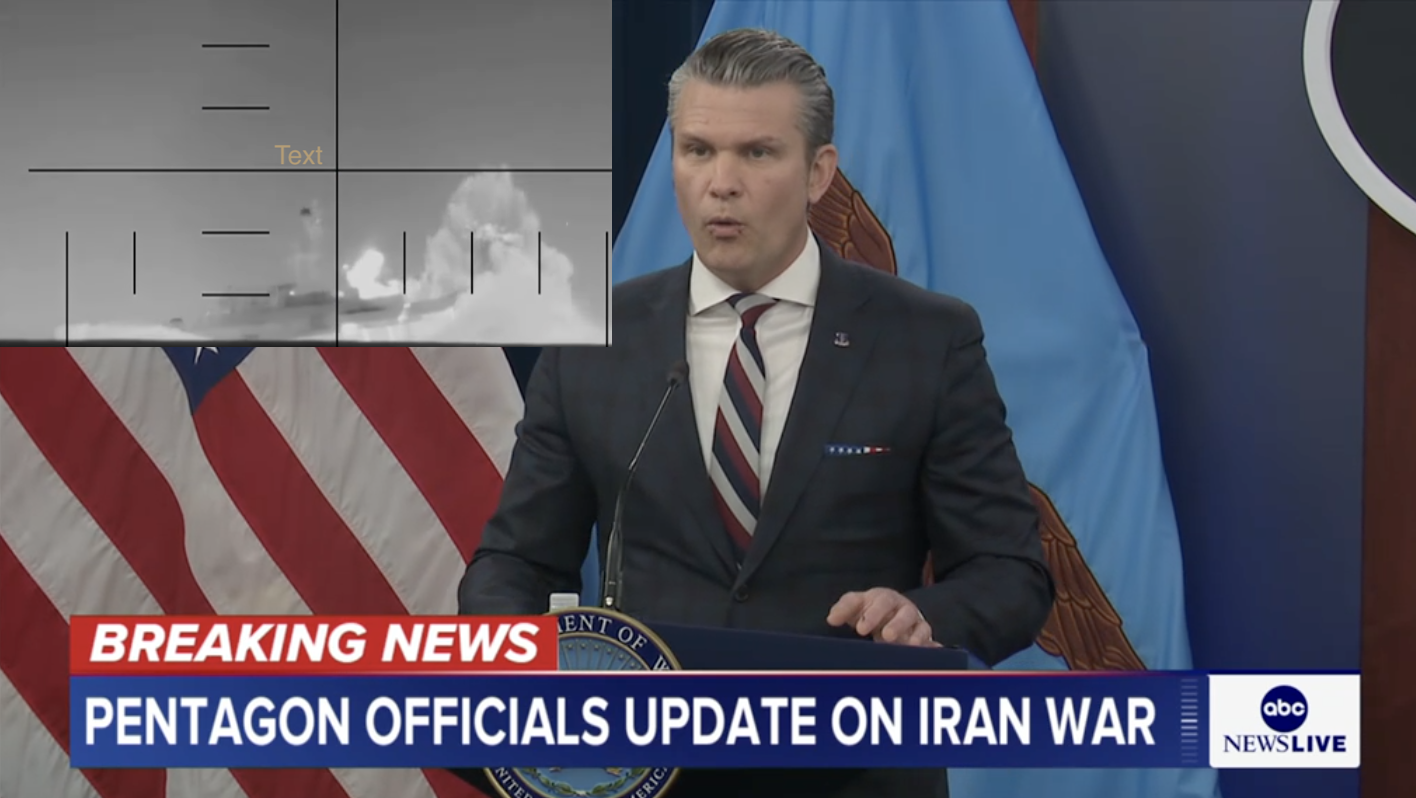
US Sub Strike Off Sri Lanka Resets Global Markets
A recent US submarine strike on an Iranian warship off Sri Lanka is fundamentally reshaping global market dynamics, signaling a significant escalation and broadening of the conflict. This event...
 Featured
Bitcoin Volatility: Macro Liquidity & Policy Drive BTC to $73,479
Bitcoin (BTC) price navigates a complex landscape influenced by macro liquidity, central bank policies, and the persistent inflation trend, impacting its trade near the sensitive $73,479 level.