
Industrial Policy & Trade: Reshaping Global Supply Chains & FX

New industrial policies are redrawing global trade incentives, with action plans for critical minerals and coordinated trade policies set to reshape supply chains. This shift impacts commodity...
The global economic landscape is undergoing a significant transformation, driven by emerging industrial policies that aim to reconfigure supply chains and national trade incentives. Recent initiatives, such as the U.S., EU, and Japan's action plans for critical-mineral supply chains and the U.S.-Mexico parallel trade policy efforts, are poised to redefine how strategic inputs are sourced and refined globally.
Redrawing the Map of Global Trade and Industry
At its core, this wave of industrial policy is about securing critical resources and fostering domestic production capabilities. The deployment of tools like border-adjusted price floors and standards alignment effectively creates a demand guarantee for strategic inputs and refining capacity. This nuanced approach turns procurement into a strategic lever, deeply affecting various market segments. For instance, the discussion around 'Nouripour deplores lack of coordination + How much China does the Chancellor want?' highlights a crucial geopolitical backdrop to these policy shifts, influencing national strategies.
Market Implications: Winners, Losers, and Price Re-rating
The immediate consequence of these policies is a clearer demand signal for miners and processors of critical materials. However, manufacturers may face higher near-term input costs as supply chains reorient. Commodity exporters, in particular, stand to gain significant pricing power. This marks a strategic shift where trade policy functions less as a simple tariff schedule and more as a capital allocation map for the global economy. Trade-policy pricing now reflects a re-rating for strategic metals and select industrial sectors, driving shifts in investment.
The FX market, while often slower to react, is now catching up through evolving expectations. As governments fund stockpiles and infrastructure, term premiums can rise. Furthermore, secondary channels such as freight rates and insurance costs are expected to increase due to supply-chain reorientation, potentially leaking into global goods inflation and keeping real yields elevated. This is especially pertinent when considering the implications of 'What If the Strait of Hormuz Shuts Down? A Global Oil Shock That Could Hit India Hard?', an eventuality that could drastically tighten correlations across assets and force a rapid market repricing.
Standards Wars and Duplicated Supply Chains
Once industrial policies are established, 'standards wars' inevitably follow. This phenomenon compels companies to duplicate supply chains to comply with varied national requirements, which is generally bullish for capital expenditure but inherently inflationary for input costs. Such policy-driven trade shifts are likely to lift recipient currencies, contributing to a volatile yet potentially rewarding environment for forex traders. The Dollar's Quiet Pivot: Navigating FX Regime Shifts & Yields illustrates how such macro forces play out in currency markets.
While trade-policy pricing currently suggests a gradual adjustment with modest FX shifts, the distribution remains wider due to geopolitical risks. This emphasizes that position sizing is even more critical than optimizing entry points. Investors should be prepared for potential liquidity gaps when major headlines hit, making disciplined execution and scaled entries/exits preferable to chasing momentum.
Navigating the New Rules: Strategy and Risk Management
The confluence of geopolitical considerations, as highlighted in concerns about coordination with China, and the strategic importance of '2 Tariff-Proof Industrial Stocks to Buy Now' serve as key anchors for market activity. This combination tends to push export-oriented equities in a specific direction, compelling FX markets to adjust accordingly. Commodities remain the ultimate arbiter, confirming whether risk appetite holds or if the move is merely transient. The current market microstructure reveals dealers are cautious around event risk, leading to thinner depth than normal.
Given the backdrop of potential disruptions, such as those that could arise from a closure of the Strait of Hormuz, tactical hedges are advisable. Keeping a small, convex position that benefits from a sudden rise in correlations can help mitigate unexpected policy surprises. The trade-off between carry and convexity becomes increasingly important for risk management. For example, the Crude Oil Price & Energy Market Volatility Deep Dive further underscores how commodities act as a critical hinge for broader market risk appetite, especially when geopolitical tensions escalate.
Cross-Asset Dynamics and Portfolio Strategy
These evolving trade policies tighten the link between policy and real assets. Initially, export equities and FX tend to react, with commodities then confirming the sustained nature of the move. Therefore, a sound portfolio lens suggests overweighting supply-chain beneficiaries that demonstrably possess pricing power and maintaining hedged commodity exposure. Conversely, investors should judiciously avoid excessive balance-sheet leverage in sectors prone to policy whiplash.
Policy winners and losers will separate even faster if geopolitical risks extend into logistics and energy sectors. This dynamic emphasizes the need for continuous monitoring and adaptive strategies in a rapidly changing global trade environment.
Related Reading
- The Dollar's Quiet Pivot: Navigating FX Regime Shifts & Yields
- Crude Oil Price & Energy Market Volatility Deep Dive
Frequently Asked Questions
Related Analysis
 Featured
Iran War Day 7: Market Repriced for Open-Ended Conflict
Day 7 of the ongoing Mideast conflict marks a critical shift from short-term escalation to a prolonged, open-ended war, compelling markets to reprice across asset classes, from crude oil prices to...
 Featured
Bitcoin Freefall Warning: Is $40K Realistic Amid War-Liquidity Collision?
A viral warning suggests Bitcoin could freefall to $40K, a scenario driven by escalating geopolitical tensions, energy infrastructure disruptions, and tightening global liquidity. This detailed...
 Featured
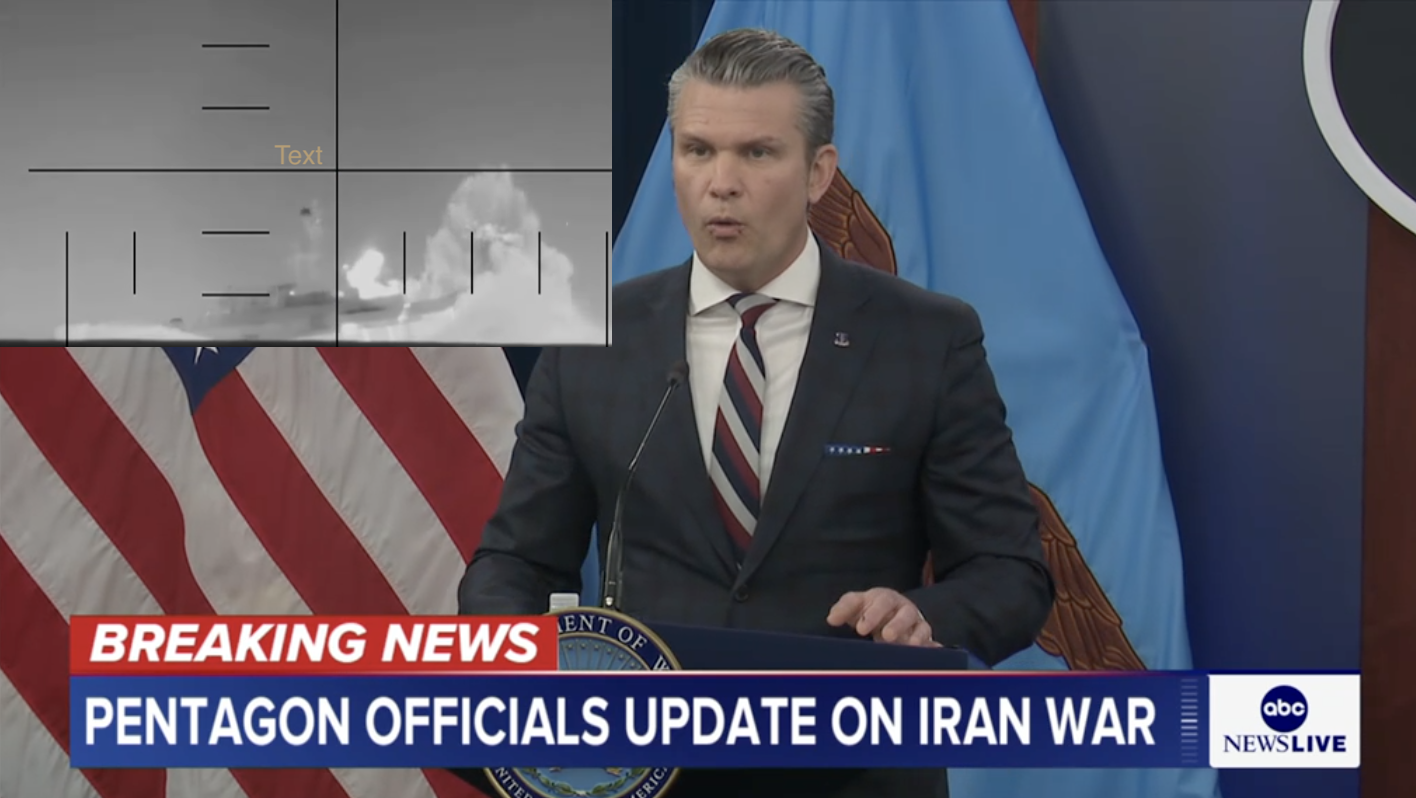
US Sub Strike Off Sri Lanka Resets Global Markets
A recent US submarine strike on an Iranian warship off Sri Lanka is fundamentally reshaping global market dynamics, signaling a significant escalation and broadening of the conflict. This event...
 Featured
Bitcoin Volatility: Macro Liquidity & Policy Drive BTC to $73,479
Bitcoin (BTC) price navigates a complex landscape influenced by macro liquidity, central bank policies, and the persistent inflation trend, impacting its trade near the sensitive $73,479 level.