
Iran UN Showdown: Diplomatic Breakdown Fuels Market Pressure

The recent UN Security Council session highlighted a critical shift: diplomatic channels are now echoing battlefield rhetoric, signaling a breakdown in de-escalation efforts. This development...
The recent emergency Security Council session has revealed a concerning truth for global markets: diplomatic channels are no longer serving as an 'off-ramp' to de-escalate tensions but are instead amplifying the rhetoric seen on the battlefield. When representatives from Iran and the U.S. are openly trading threats in New York, while physical conflict unfolds, airports are shut, and missiles fly, investors are forced to abandon any assumptions of quiet back-channel negotiations. Post the joint U.S.-Israeli strike wave on Iran on February 28, 2026, and the subsequent retaliatory cycle on March 1, 2026, the market has pivoted from merely reacting to headline risk to genuinely pricing in significant infrastructure risk.
Confirmation from Iranian state media regarding the death of Ayatollah Ali Khamenei has added another layer of uncertainty, particularly regarding potential regime change. This, coupled with widespread airport and airspace restrictions across the Gulf and Levant, including minor damage at Dubai International and severe aviation disruption in Dubai, Abu Dhabi, and Doha, underscores the commercial fragility. Crucially, shipping through the Strait of Hormuz has been significantly impacted, with tanker traffic sharply reduced and insurers repricing war risks. While OPEC+ has agreed to raise output by 206,000 barrels per day for April, these additional barrels do little to address the fundamental problem of a blocked shipping route. Diplomacy’s primary value lies in buying time; without it, markets must accelerate their pricing of the next escalation, consequently raising the premium across vital assets such as gold price war, oil, freight, and other risk assets, even in the absence of fresh military developments. Traders following the gold price live understand its role as a premier safe haven during such times.
The Immediate Commercial Impact of Escalation
The initial 48 hours of this renewed conflict have already set a stark precedent. Joint U.S.-Israeli strikes on Iran were not limited to symbolic nuclear or military targets; they extended to infrastructure. Iran's retaliation across Israel and the Gulf has led to the closure of major air hubs, thinned commercial airspace, and inflicted damage on Gulf commercial infrastructure. The increasing difficulty in pricing shipping through Hormuz vividly illustrates why markets are no longer debating the reality of the war, but rather the potential scale of its commercial blast radius. The Strait of Hormuz latest developments continue to be a primary concern for energy markets.
Why Markets Cannot Ignore This Crisis
Financial markets are inherently ill-equipped to absorb simultaneous shocks to movement, energy, confidence, and diplomacy without significant repricing. This conflict strikes at all four pillars. Airport closures directly signal impaired movement. The deceleration of tanker traffic warns of energy supply risks. Damage to key economic hubs like Dubai and Abu Dhabi erodes confidence, confirming that the Gulf markets today are under immense pressure. The highly contentious Security Council session unequivocally indicates that diplomacy is failing to construct an 'off-ramp' for de-escalation. This confluence of factors elevates the current events far beyond a typical weekend headline to a multi-faceted global market crisis, directly affecting safe haven assets and risk appetites.
Cross-Asset Repricing: A Detailed Market Map
Oil and Commodities: The Primary Transmission
Oil remains the most immediate and sensitive transmission channel. Brent and WTI crude are no longer driven solely by inventory and demand dynamics but by concerns over the uninterrupted functionality of the Gulf's export infrastructure, the commercial viability of Hormuz, and insurers' and shipowners' willingness to accept the escalating war risk. This means prompt crude, refined products, and freight-linked fuel markets are poised for more significant moves than many casual observers anticipate. The oil price Iran war narrative is now firmly embedded in market pricing.
Gold and Safe Havens: The Ultimate Macro Hedge
Gold stands out as the cleanest and most liquid hedge during such crises. It uniquely encapsulates the market's response to war, policy confusion, and institutional distrust within a single asset class. When the geopolitical landscape becomes opaque and diplomatic avenues vanish, gold transcends being a mere side bet to become a core portfolio response. Silver may follow, but gold, with its inherent purity as a fear asset, takes precedence when the crisis is primarily geopolitical rather than purely cyclical. We observe the gold price live reflecting every twist and turn of this high-stakes situation.
Forex and Global Liquidity: Layered Reaction
The forex market expresses this shock in distinct layers. The initial reaction is a classic risk-off shift towards the U.S. Dollar, Swiss Franc, and often the Japanese Yen. A subsequent, more selective move sees oil-linked currencies attempting to capitalize on higher crude prices, while energy importers and fragile emerging-market currencies face substantial pressure. In the Gulf, while pegged currencies may obscure spot market signals, the true repricing manifests in sovereign spreads, Credit Default Swaps (CDS), equities, and critical funding conditions. The forex war analysis reveals a complex interplay of risk aversion and commodity-driven movements.
Equities and Sector Rotation: Divergent Paths
The equity market response is far from monolithic. Energy, defense, and certain commodity-linked sectors are likely to outperform. Conversely, airline stocks war, tourism, transport-dependent industries, consumer cyclicals, and duration-sensitive growth sectors are poised for underperformance. The deeper the crisis impacts airports, ports, hotels, and financing, the greater the shift from mere sector rotation to genuine multiple compression. This directly impacts the broader stock market war news sentiment.
Shipping, Freight, and Insurance: Hidden Accelerants
Shipping and insurance are crucial, often underestimated, accelerants. When major carriers reroute, temporarily cease bookings, or seek safer havens, the cost of moving goods skyrockets long before headlines explicitly declare supply chain disruptions. A Gulf conflict that grounds aircraft and renders shipping cautious can unleash a dual logistics shock, directly fueling inflation, extending delivery times, and eroding business confidence. The shipping risk Gulf region faces is paramount.
Rates and the Central Bank Dilemma
The impact on interest rates presents a challenging macroeconomic dilemma. Elevated oil prices exert inflationary pressure, while closed skies, reduced travel, and tighter financial conditions portend slower economic growth. This conflicting dynamic creates volatile push-pull movements in sovereign debt markets, complicating any clean easing narrative from central banks. The bond market will simultaneously price in both fear and inflation, making yield volatility a more critical indicator than initial directional movements.
Credit and Funding: The Ultimate Truth Detector
The credit market serves as a crucial truth detector. If oil prices surge but credit spreads remain relatively stable, it suggests traders perceive the event as a severe but contained geopolitical shock. However, if transport, property, banking, and emerging-market spreads significantly widen, the market is signaling that the crisis has transcended headlines, evolving into a fundamental financing and confidence event.
Crypto and 24/7 Macro Trading: Adaptable Volatility
Crypto trades as a modern macro indicator during such events. The initial reaction typically involves de-risking, reduced leverage, and a strengthening U.S. dollar. However, once the immediate liquidation pressure subsides, the market engages in a debate: is Bitcoin functioning as a high-beta risk asset or a geopolitical hedge against state and payment-system fragmentation? This ongoing debate explains why crypto can experience swift crashes followed by rapid rebounds, often within the same trading weekend.
The Gulf Confidence Trade Under Threat
The specific narrative for the Gulf region centers on confidence. Cities like Dubai, Abu Dhabi, Doha, Kuwait City, Bahrain, and Riyadh operate within a commercial model critically dependent on the frictionless movement of people, capital, and goods. When airports close, ports slow, and iconic infrastructure begins to feature in war footage, the region’s perception shifts from a protected service hub to a frontline commercial theater, severely impacting investment and sentiment.
What to Watch Next
A softening of the public diplomatic tone could rapidly dissipate some of the risk premium. Conversely, if rhetoric hardens further amidst ongoing military activity, markets will interpret it as the institutional failure of a critical braking mechanism. For the immediate trading sessions, market participants should closely monitor four key indicators: any expansion or contraction of airspace closures, normalization or deterioration of Hormuz traffic, whether oil sustains its war premium post-initial shock, and critically, if credit spreads confirm the market's assessment rather than simply dismissing it. These signals will determine if this remains a violent but contained scare or if it escalates into a multi-week regime shift.
Bottom Line
The most perilous error in a crisis of this magnitude is to focus on isolated, single-asset headlines. This is not exclusively an oil story, a gold story, or merely a Gulf regional event. It represents a comprehensive cross-asset repricing event where the airspace map, the shipping map, the confidence map, and the policy map are all in flux simultaneously. Traders who accurately interpret this complex interplay across markets will undoubtedly navigate these turbulent times more successfully than those who reduce the entire war to a single price chart.
Frequently Asked Questions
Related Analysis
 Featured
Iran War Day 7: Market Repriced for Open-Ended Conflict
Day 7 of the ongoing Mideast conflict marks a critical shift from short-term escalation to a prolonged, open-ended war, compelling markets to reprice across asset classes, from crude oil prices to...
 Featured
Bitcoin Freefall Warning: Is $40K Realistic Amid War-Liquidity Collision?
A viral warning suggests Bitcoin could freefall to $40K, a scenario driven by escalating geopolitical tensions, energy infrastructure disruptions, and tightening global liquidity. This detailed...
 Featured
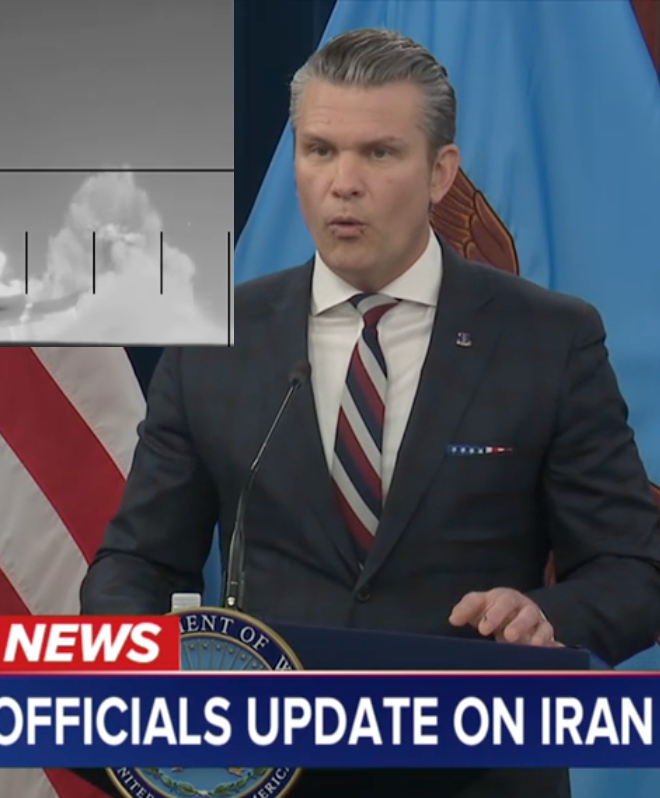
US Sub Strike Off Sri Lanka Resets Global Markets
A recent US submarine strike on an Iranian warship off Sri Lanka is fundamentally reshaping global market dynamics, signaling a significant escalation and broadening of the conflict. This event...
 Featured
Bitcoin Volatility: Macro Liquidity & Policy Drive BTC to $73,479
Bitcoin (BTC) price navigates a complex landscape influenced by macro liquidity, central bank policies, and the persistent inflation trend, impacting its trade near the sensitive $73,479 level.