
Iran-US War News Today: Airspace Shock Reprices Global Markets
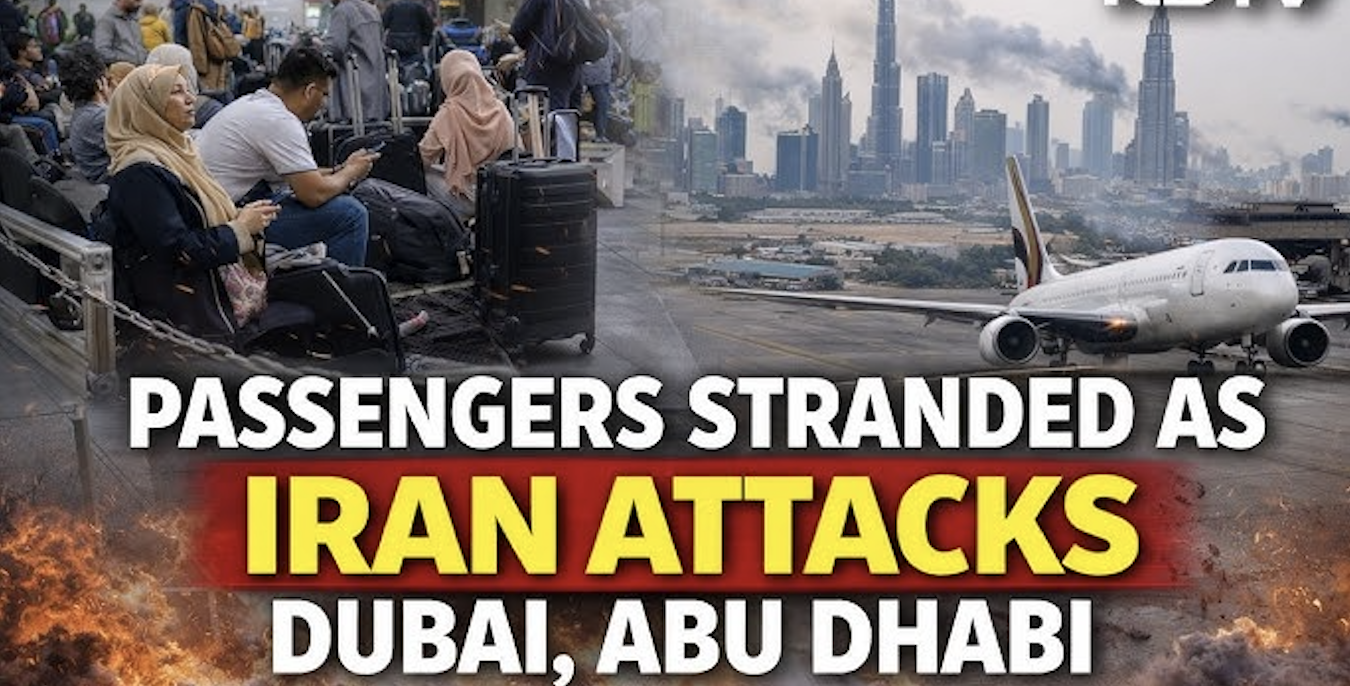
The escalating Iran-US-Israel conflict has moved beyond military engagements, with Day 2 witnessing a significant commercial air system shutdown across the Middle East. This unprecedented airspace...
The unfolding Iran-US-Israel war has rapidly transitioned from a geopolitical flashpoint to a tangible economic disruption. On its second day, the conflict's impact extends far beyond military strikes, manifesting as a significant airspace shock across the Middle East that is actively repricing global markets across all asset classes, including oil, gold, shipping, forex, and even crypto.
What began as a military escalation has quickly translated into a commercial nightmare. Key airports and airspaces across the region have already implemented severe restrictions or outright closures. This includes major hubs such as Dubai International (DXB), Abu Dhabi (AUH), Ben Gurion (Tel Aviv), Bahrain International, Hamad International in Qatar, Kuwait International, Queen Alia in Amman, Baghdad International, Erbil International, Beirut International, and all Iranian airports. Additionally, multiple Saudi airports are facing restrictions. This immediate and widespread shutdown has forced international carriers like Lufthansa, Emirates, flydubai, and Etihad to suspend large portions of their Middle East networks, grounding numerous flights.
The Immediacy of the Airspace Shock
This isn't theoretical market noise; it's a clear signal that the conflict has moved into real global economic infrastructure. When central nodes like Dubai, Doha, Abu Dhabi, Tel Aviv, and Amman go dark, the repercussions are global. These are critical junctions for East-West travel, cargo movement, premium tourism, and long-haul connections. Flight cancellations, diversions, increased fuel burn, rising insurance costs, stranded passengers, and cargo delays translate an airspace war into a global transportation crisis. The expanding iran us war news today highlights how quickly these commercial impacts can escalate.
The market is rapidly shifting its focus from raw geopolitics to pricing in system stress across movement, tourism, cargo, and energy sectors. The confidence shock associated with the Gulf's commercial core being compromised is now a primary driver for asset repricing worldwide. This initial airspace disruption is significant enough to trigger a global re-evaluation of risk, setting the stage for broader market reactions.
Oil Markets React: Hormuz in Focus
Oil prices are a direct casualty, with the market quickly turning regional conflict into global inflation. While a base case of oil above $150 due to a Strait of Hormuz closure isn't guaranteed today, it is no longer a remote possibility. Roughly a fifth of the world's oil flows through this vital chokepoint. Continued airspace closures, incidents involving Gulf infrastructure, and escalating military exchanges significantly increase the probability of a serious Hormuz stress event. Even without a formal shutdown, the mere fear can sharply increase the premium, as tankers hesitate and insurance costs surge. This explains why crude can surge dramatically before a single barrel is physically lost. The market is now treating Brent crude and WTI less as ordinary energy contracts and more as war insurance instruments, impacting the crude oil price live. We are seeing Iran retaliation latest developments directly influence these energy markets.
Gold and Commodities: The Safe-Haven Rush
In such an environment, gold stands out as the purest liquid hedge. As airports shut, airlines ground flights, oil prices surge, and diplomacy falters, gold price war becomes the primary driver for its valuation. It doesn't require speculative narratives; it possesses a robust macro engine fueled by war, inflation risk, policy uncertainty, and institutional breakdown. Silver may also rise, though its higher growth sensitivity means gold often outperforms in a broad risk-off scenario. Industrial commodities present a mixed picture. While supply-chain cost pressure clearly rises due to logistics shocks, a broader fear of global growth impact could initially hinder some industrial metals, demanding careful distinction between pure safe-haven and growth-linked assets.
Forex and Equities: Divergent Paths
The forex market sees immediate stress, with the US dollar, Swiss franc, and Japanese yen strengthening as traders reduce risk. However, the picture quickly becomes nuanced. Oil-linked currencies might initially benefit from rising crude prices but could lose ground if the conflict morphs into a global growth shock. Emerging market currencies, particularly those with fragile external balances or reliance on energy imports, become highly vulnerable. High-carry trades face brutal unwinds. In the Gulf, local currencies may appear stable due to pegs, but the true repricing occurs in sovereign spreads, CDS, equity weakness, and property valuations. The AUD/USD price live and EURUSD outlook are also being influenced by these macro moves. This provides context for the wider dollar quiet pivot and selective USD leadership.
Equities will likely see a split performance. Energy, defense, and selected safe-haven mining companies could outperform. Conversely, airlines, tourism, transport, logistics, consumer discretionary, and rate-sensitive growth stocks are expected to struggle. Regional banks and property sectors in the Gulf are particularly exposed due to their reliance on sustained confidence. If the situation remains an aviation and oil shock, markets might merely rotate. However, if it evolves into a broad logistics and confidence shock, we could witness significant market gaps, as reflected in the dynamic US500 Index trading.
Beyond the Battlefield: Shipping, Credit, and Rates
Shipping presents another critical escalation point. If not only airports but also Gulf shipping lanes become impaired, global supply chains would face dual pressure from air and sea. Increased freight costs, elongated delivery windows, soaring insurance, and trapped working capital would create widespread economic pain, irrespective of direct military engagement. The phrase 'worse than COVID' isn't a precise forecast but underscores the severe economic re-rating that occurs when movement systems break. Any impact on shipping would fuel a steel price live and iron ore price live volatility.
Credit markets operate as the ultimate truth detector. Should credit spreads widen across transport, discretionary, emerging markets, and regional financials, it signals a deeper funding and confidence crisis. Moreover, a major oil price surge combined with airspace closures creates a stagflationary dilemma for central banks, pushing inflation expectations higher while simultaneously weighing on growth. This makes any environment for rate cuts or long-duration risk assets extremely challenging. The bond market could swing violently between safe-haven flows and inflation repricing, adding to uncertainty, influencing the US10Y 3.962% outlook. Furthermore developments related to the iran-us UN showdown escalates war risk premium amplify these effects.
Crypto's Role and the Ladder of Risk
Crypto markets, far from being an escape hatch, would likely behave as modern macro assets. Initial de-risking, leverage cuts, and a strengthening dollar tend to pressure crypto. However, if the narrative evolves into widespread sanctions or capital controls, crypto might find a different, more resilient role. Amidst this uncertainty, the Cosmos ATOM price live and Optimism OP price live are closely watched. Traders are also observing the broader Bitcoin Macro dynamics.
The market is already climbing the lower rungs of a potential risk ladder: airspace disruptions are real and expanding. Investors must watch for critical indicators in the coming sessions: the expansion or contraction of airport closures, further widening of Gulf airspace restrictions, sustained oil price surges indicating a crisis premium, signs of Hormuz fears in shipping markets, persistent gold rallies alongside oil and the dollar, and the performance of Gulf-centric airline, tourism, and real estate stocks. Credit spreads will signal whether the market perceives the situation as manageable or a deeper confidence crisis.
Related Reading
- Iran-US War News Today: Markets Re-price Geopolitical Risk After Escalation
- Crude Oil Price Live: Geopolitical Risk Fuels $70 Target
- Gold Price Forecast: Navigating Geopolitical Risks & Next Week's Levels
- The Dollar's Quiet Pivot: Navigating Selective USD Leadership
Frequently Asked Questions
Related Analysis
 Featured
Iran War Day 7: Market Repriced for Open-Ended Conflict
Day 7 of the ongoing Mideast conflict marks a critical shift from short-term escalation to a prolonged, open-ended war, compelling markets to reprice across asset classes, from crude oil prices to...
 Featured
Bitcoin Freefall Warning: Is $40K Realistic Amid War-Liquidity Collision?
A viral warning suggests Bitcoin could freefall to $40K, a scenario driven by escalating geopolitical tensions, energy infrastructure disruptions, and tightening global liquidity. This detailed...
 Featured
US Sub Strike Off Sri Lanka Resets Global Markets
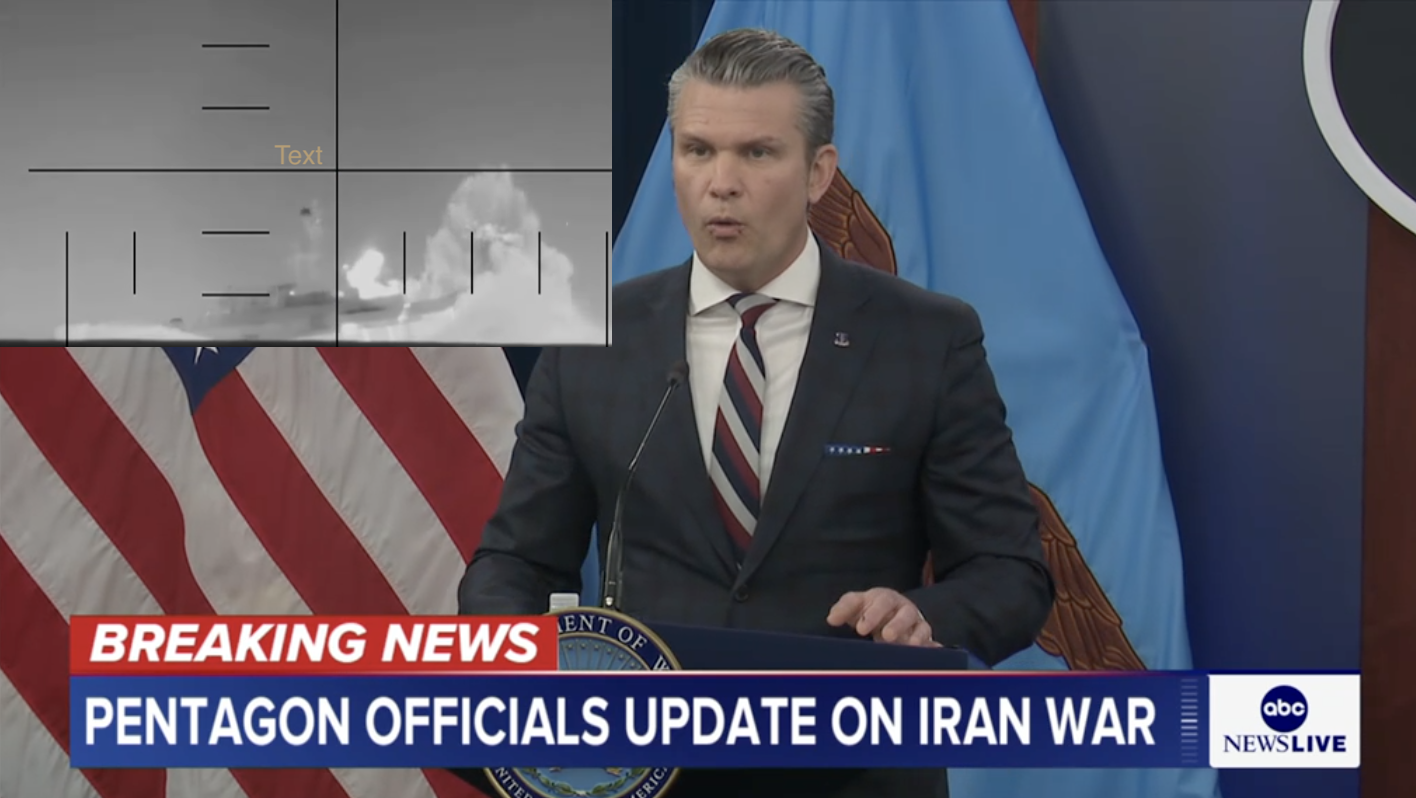
A recent US submarine strike on an Iranian warship off Sri Lanka is fundamentally reshaping global market dynamics, signaling a significant escalation and broadening of the conflict. This event...
 Featured
Bitcoin Volatility: Macro Liquidity & Policy Drive BTC to $73,479
Bitcoin (BTC) price navigates a complex landscape influenced by macro liquidity, central bank policies, and the persistent inflation trend, impacting its trade near the sensitive $73,479 level.