
Hormuz Strait Closure: Global Wallet Shock & Oil to $100 Outlook
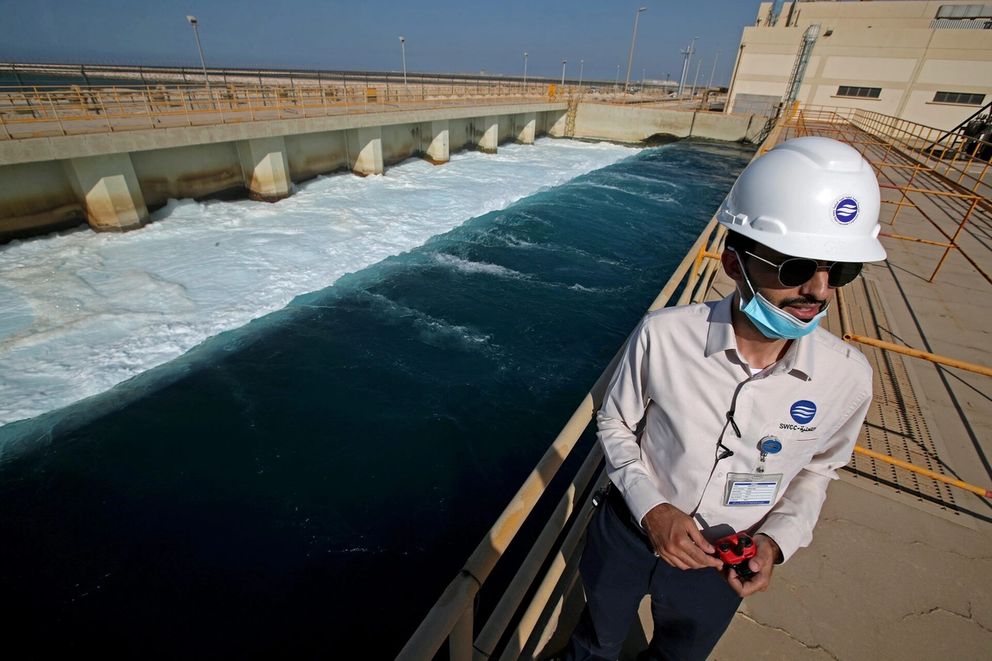
The effective closure of the Strait of Hormuz due to geopolitical tensions is rapidly shifting from a military concern to a global economic crisis, threatening to send oil prices past $100 and...
The Strait of Hormuz, a narrow maritime chokepoint, is increasingly becoming the epicenter of a global economic crisis. While most headlines focus on military developments, market participants are keenly observing shipping lanes. The escalating missile risk, withdrawal of insurance coverage, and naval uncertainty are effectively closing the strait for commercial purposes, even without a formal decree. This operational impairment of a vital transit route for approximately 20% of global oil consumption and a significant portion of LNG flows heralds a substantial 'global wallet shock' that could drive crude oil price action to unprecedented levels.
Hormuz Disruption: More Than Just Oil
The Strait of Hormuz, a mere 21 miles wide at its narrowest, handles about 20 million barrels per day (bpd) of oil under normal conditions. This figure dwarfs the limited pipeline bypass capacity of around 2.6 million bpd, meaning there is no viable alternative route if sustained impairment occurs. The vulnerability extends equally to natural gas, as a large share of global LNG, including most of Qatar’s exports, transits through this corridor. Should LNG contracts be suspended under force majeure and safe transit becomes impossible, Europe and Asia will face intense competition for fewer cargoes, ushering in a period of vertical price escalation.
The Escalating Timeline: From Manageable to Dangerous
Initially, governments and markets tend to absorb shocks like these. Strategic reserves and inventory buffers provide a temporary cushion. However, prolonged disruption transforms a market disturbance into a systemic threat:
- Producer regions face storage capacity issues as exports are blocked.
- Operational production cuts become inevitable.
- Competition for spot cargoes intensifies dramatically.
- Freight and insurance costs explode, pricing reliability premium into the market.
- Refineries and utilities engage in panic bidding for available supply.
- Ultimately, consumers and manufacturers bear the brunt through rising costs.
This progression illustrates why a geopolitical crisis in week one can become a household crisis by week three, directly impacting every person paying for fuel, electricity, groceries, transport, and credit.
Oil Path: $100 is Just the Start
With Brent already significantly higher year-to-date, discussions among analysts of Brent to 100 and beyond, given prolonged disruption, are no longer speculative. In severe blockade scenarios, a Brent 120 scenario or even higher numbers become plausible. The market mechanism is clear: reduced physical flows, a higher war-risk premium, increased shipping costs, lower delivery reliability, and larger precautionary inventories all combine to push prices higher. Even without an immediate physical shortage, the reliability premium alone can lift prices substantially because buyers prioritize certainty in unstable shipping environments. This means fuel prices at the pumps can surge even before a 'shortage' narrative gains mainstream traction. The Crude oil price is currently bid higher due to these factors.
Natural Gas and Power: The Silent Multiplier
While crude oil gets the headlines, the long-term economic damage often comes from LNG and power bills. If Qatar volumes remain constrained and shipping routes stay dangerous, natural gas markets in Europe and Asia will tighten rapidly. This will lead to increased power prices, reduced margins for industrial users, and cost stress for sectors like fertilizer and chemicals, eventually impacting food supply chains. Countries heavily dependent on Gulf LNG imports will face difficult choices, including rationing risks and import-bill shocks that could weaken their currencies and fiscal balances. Hence, this situation is not just a Middle East story but also a critical balance-of-payments story for a significant portion of Asia.
Asia at the Center of the Shock
A dominant share of Hormuz crude is destined for Asia, with China, India, Japan, and South Korea being major consumers. Sustained disruption therefore impacts not just regional Gulf economies but the manufacturing and demand engines of the global economy. Japan's reliance on Middle Eastern crude makes it vulnerable to both energy inflation and currency depreciation. South Korea's industrial sector is exposed to both fuel and shipping costs, which could lead to violent reactions in its equity markets. India faces a double hit from rising crude and LNG prices. China, with its vast import needs, would likely intensify competition for alternative cargoes, tightening global balances further. This demonstrates how a critical chokepoint shock can quickly escalate into worldwide competition for marginal supply.
Shipping: The Underestimated Factor
The impact on shipping is often underestimated until consumers see empty shelves and disrupted schedules. When major liners suspend passage, reroute around Africa, or pause bookings, voyage times can extend by weeks. If war-risk coverage is withdrawn or severely restricted, shipowners may become commercially unable to operate, causing freight rates to jump dramatically. Spiking supertanker day rates translate into higher costs for refiners, distributors, retailers, and ultimately, consumers. If both the Red Sea and Hormuz remain impaired, the world faces a dual chokepoint pressure, leading to a logistics shock with significant inflationary attachments. In this evolving scenario, the Steel futures live market, for example, could also see indirect impacts on raw material transport costs.
Inflation and Central Banks: A Tough Dilemma
An acceleration in energy prices will inevitably drive headline inflation higher. Surging freight and insurance costs could stall disinflation in core goods. Rising war uncertainty will weaken investment and demand. This creates a difficult situation for central banks: higher prices, weaker growth, and less room for rapid rate cuts. The 'Fed can’t rescue' argument gains traction here, as policymakers risk losing inflation credibility if they cut too soon, or deepening a growth slowdown if they wait too long. This dynamic can lead to disorderly markets where both inflation and recession trades can thrive simultaneously. The global inflation oil shock is a key concern.
Impact Across Asset Classes
- Oil and Products: Remain structurally bid as long as route reliability is impaired.
- Natural Gas and Power: Likely to be sharper and more volatile than oil in import-dependent regions.
- Gold: Benefits from prolonged conflict, inflation fears, and policy uncertainty; Gold price live will reflect heightened demand.
- Forex: Dollar and other safe havens will firm; energy-importing emerging market currencies will be vulnerable.
- Equities: Defense and selective energy stocks may perform well; transport, airlines, consumer cyclicals, and rate-sensitive growth sectors could suffer.
- Credit: Will act as a 'truth detector.' Widening spreads in transport, emerging markets, and energy-sensitive sectors signal systemic stress.
- Crypto: Will initially trade on liquidity stress. If oil and yields continue to rise in a risk-off environment, crypto could see significant downside before any narrative-driven rebound. For instance, Bitcoin volatility would likely intensify with macro shifts.
Direct Impact on Your Wallet
If the Hormuz impairment extends beyond a short period, the effects on households are predictable: fuel costs rise immediately, shipping costs increase the price of imported goods, electricity and heating costs surge in gas-linked markets, food prices climb due to increased transport and fertilizer expenses, interest rate relief is delayed, and real incomes are squeezed. This is why the 'war-in-water' narrative surpasses battleground clips in long-term significance.
Reading the Next Two Weeks Like a Pro
Key indicators to watch:
- Actual vessel transits, rather than just official statements. Pay close attention to Hormuz traffic zero.
- War-risk insurance availability and pricing.
- LNG loading and cancellation patterns.
- Brent and gas spread behavior beyond immediate panic.
- Freight rates on critical crude and container routes.
- Credit spreads in shipping, airlines, and import-heavy economies.
- Central bank communication on inflation risk, especially as Fed can’t cut rates arguments grow louder.
If these indicators collectively deteriorate, this isn't a brief price spike but the onset of a new pricing regime. The market's central question has shifted from 'is there a war?' to 'can energy reliably move through its narrowest choke point at commercial scale?' If the answer remains 'not reliably,' the financial burden will fall on everyone. This lands in mortgages through higher rates, in groceries through increased transport costs, in factory margins through soaring power bills, in airline tickets through fuel surcharges, and in household confidence due to persistent inflation pressure. Bombs may drive headlines, but water drives the bill.
Related Reading
- Crude Oil Price Action: Geopolitical Risk Fuels Volatility
- Hormuz Shock: US War Risk Guarantees Hit London Insurance
- Gold Price Live: Geopolitical Risk Fuels Safe Haven Demand
- Bitcoin Volatility: Macro Liquidity & Policy Drive BTC to $73,479
Frequently Asked Questions
Related Analysis
 Featured
AI Rights Trade: Why Claude's Consciousness Comments Could Hit Tech Stocks
Anthropic's recent comments regarding AI model consciousness and welfare signal a potential paradigm shift that could impact tech stocks, cloud service providers, and the entire AI business model,...
 Featured
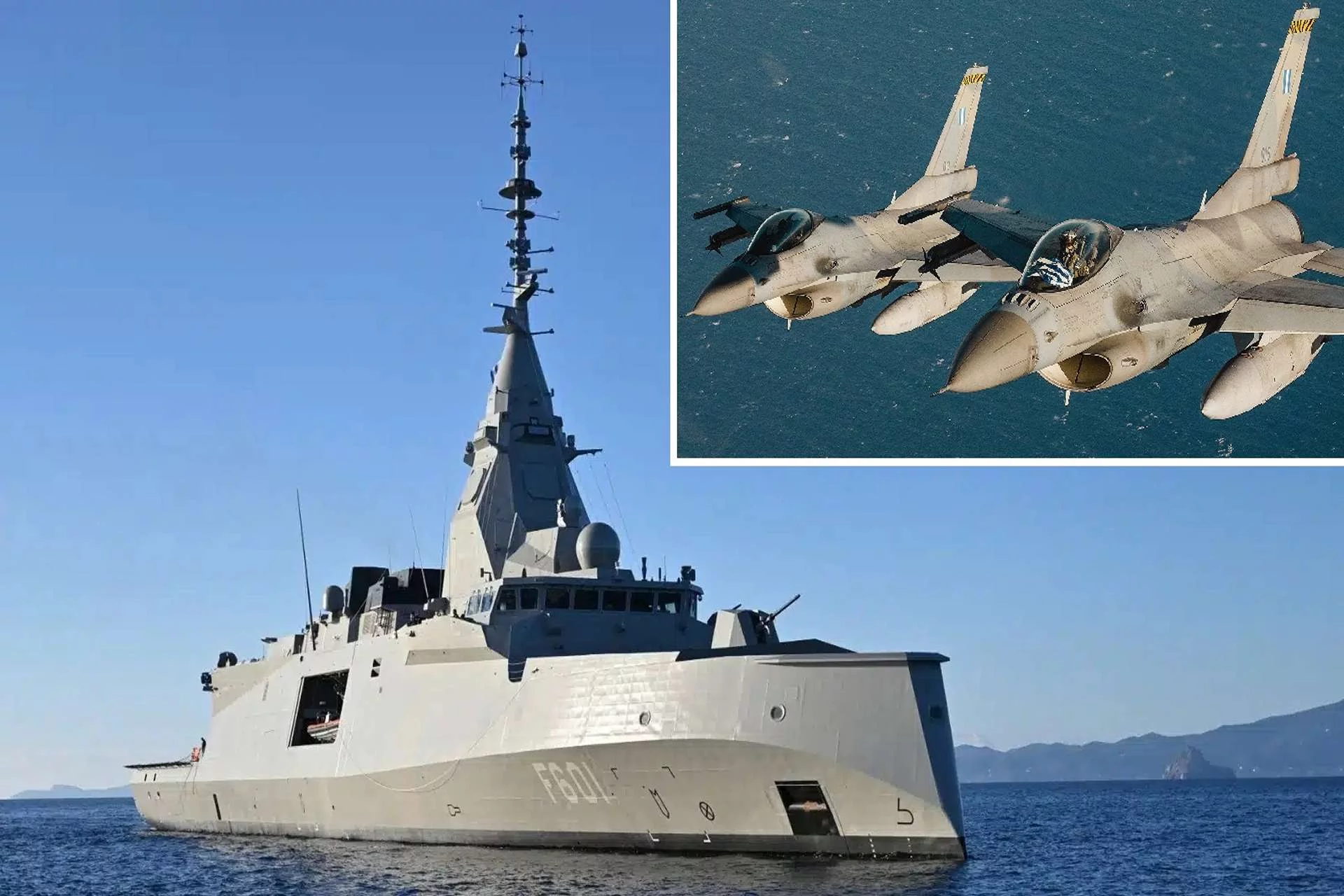
Greece Revives Cyprus Defense Doctrine, Reshaping Iran War Map
Greece's strategic decision to deploy naval assets and F-16s to Cyprus signals a profound shift in the Eastern Mediterranean's role in the escalating Iran conflict, repricing risks across oil,...
 Featured
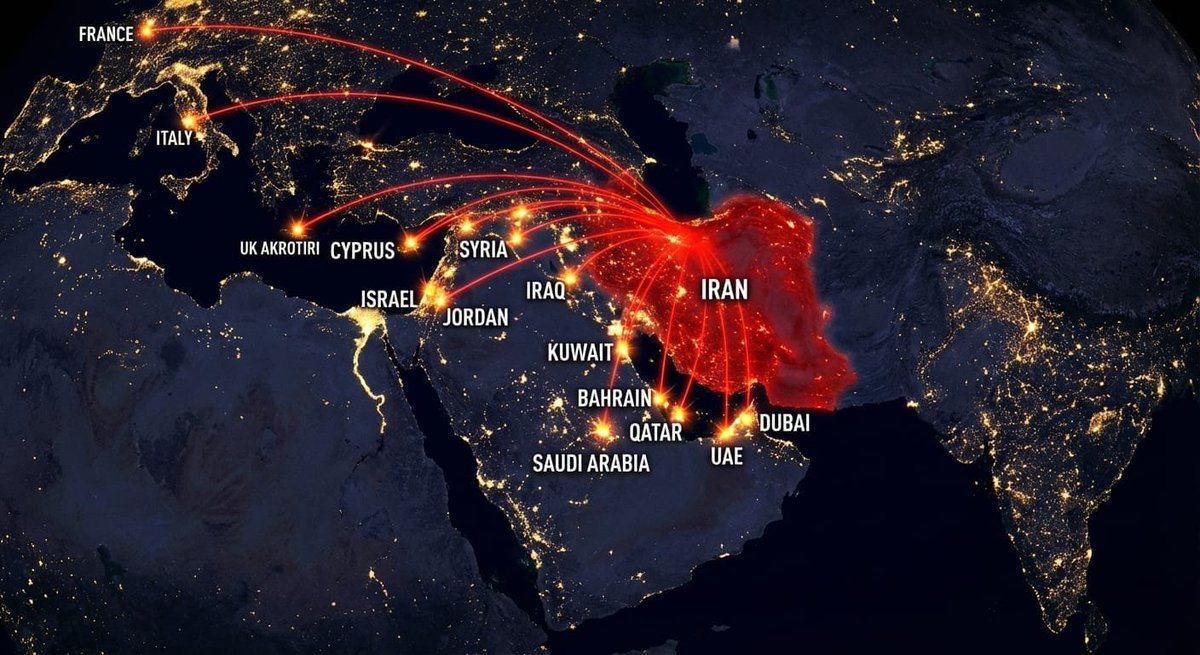
Iran-US War: Global Markets Reprice After "14 Countries Hit" Event
A dramatic escalation in the Middle East, with Iran reportedly striking targets across 14 countries, has sent shockwaves through global financial markets, forcing a swift re-evaluation of risk...
 Featured
No Flights Out: Iran-US War Shatters Gulf's Luxury Mobility Trade, Repricing Key Markets
The recent disruption of major Gulf airports due to the Iran-US war signals a profound shift beyond mere travel inconvenience, fundamentally repricing oil, gold, forex, stocks, shipping, and...