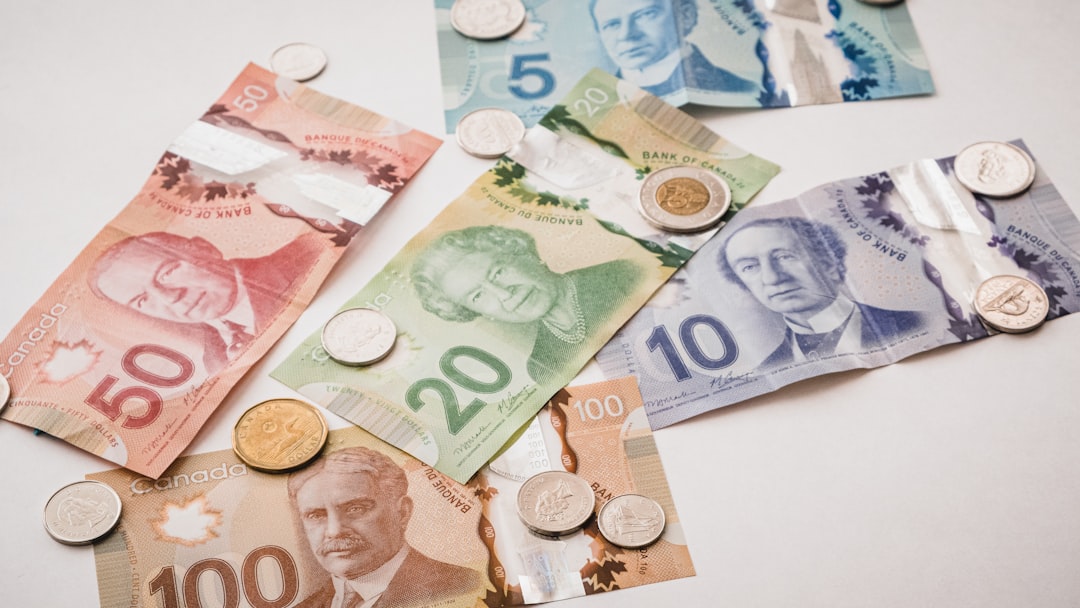
The latest Canadian inflation data presents a complex 'headline up, underlying cooler' narrative, as December’s annual price growth accelerated to 2.4% while core measures marked their slowest pace in over a year. This divergence holds critical implications for Bank of Canada (BoC) policy, suggesting that while the headline figure remains volatile due to energy and base effects, the cooling in persistent price components may allow policymakers to maintain an extended hold stance.
Decoding the December CPI Print
While the annual headline Consumer Price Index (CPI) picked up steam, the monthly figure actually contracted by 0.2% in December. For institutional desks and FX traders, the composition of the report is far more telling than the headline number. Core measures have now cooled for three consecutive months, signaling that the underlying inflationary pressures are beginning to recede despite external volatility.
Key Findings from the Inflation Profile:
- Headline CPI: Rose to 2.4% year-over-year in December.
- Monthly Volatility: A -0.2% monthly print suggests immediate downward pressure on prices.
- Core Resilience: Underlying core measures reached their lowest levels in 12 months, reflecting a clear deceleration in price persistence.
Transmission Mapping and Market Reaction
In the currency markets, the transmission of this data typically moves through the front-end rates complex first. A headline surprise often triggers an initial impulse, but the cooling core data challenges the narrative of aggressive hawkishness. Traders should note that when headline inflation rises due to tax or energy spikes while core data cools, markets often interpret this as a "soft landing" confirmation. This behavior was also recently observed in the Canada Retail Sales Rise 1.3% report, which showed similar growth resilience.
Monetary Policy Implications
The Bank of Canada remains in a data-dependent phase. If domestic demand continues to moderate, central banks may find additional room to lean dovish later in the year. However, services inflation and wage growth remains the 'stickiest' components that require further confirmation before a definitive policy shift occurs. Analysts are also watching technical levels in the currency market, specifically how the Loonie reacts at the USDCAD 1.3770 support level.
Risk Management and Positioning
Positioning remains a second-order story for the early weeks of 2026. A mildly positive headline surprise can lead to outsized impacts if it forces short-covering in CAD pairs. However, the highest-quality trading opportunities often emerge after the first impulse, once the market realizes that the 'underlying' trend is cooler than the headline suggests. To sustain a legitimate narrative shift, the next series of prints must confirm that services and core components are staying on a downward trajectory.
Traders should also monitor global policy divergence, as discussed in our FX Market Note on Global Policy Divergence, to see how the Canadian dollar stacks up against a weakening Eurozone or a resilient UK economy.