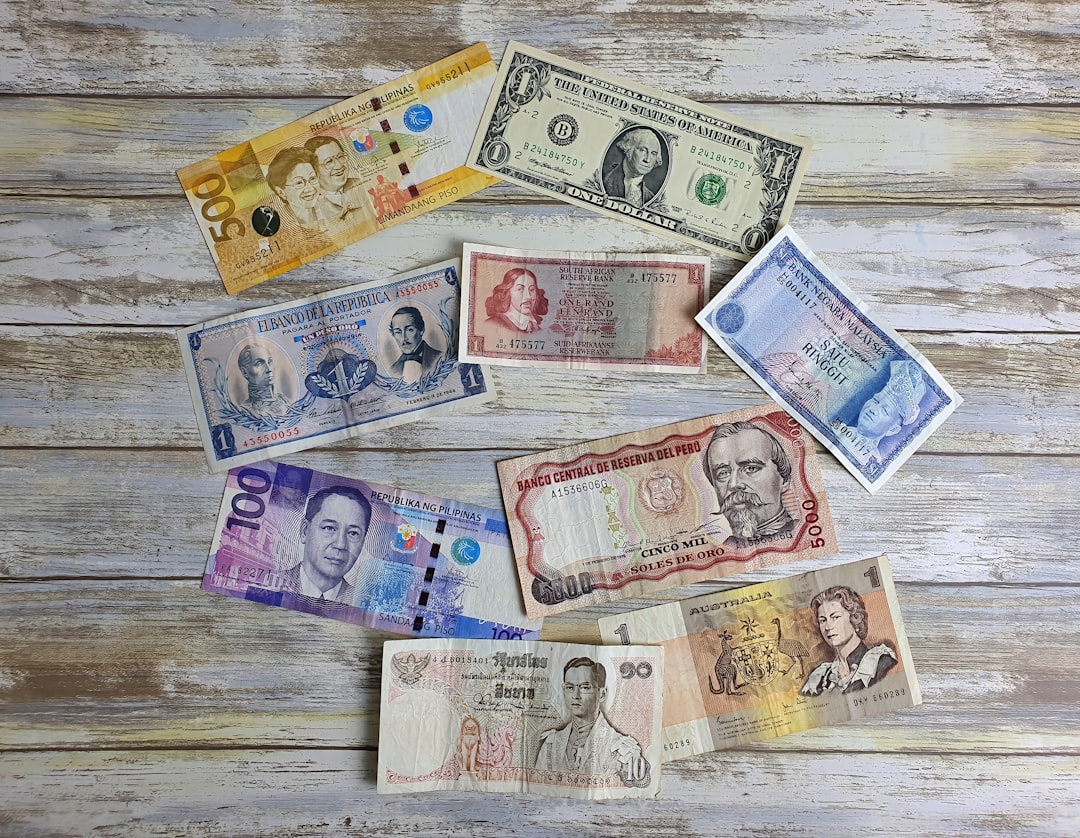
The offshore Chinese Yuan (CNH) faced renewed pressure during the January 20 session as global investors grappled with heightening trade-policy uncertainty and a significant repricing of market risk premiums. Despite a firming of U.S. Treasury yields, the broader U.S. Dollar remained headline-sensitive, allowing safe-haven assets like the Swiss Franc and Japanese Yen to outperform high-beta Emerging Market (EM) currencies.
Executive Summary: Policy-Risk Dominates the Tape
The primary catalyst for today’s price action was a shift toward "policy-risk" pricing. While the 2-year U.S. yield pushed toward 3.946% and the 10-year reached 4.27%, these higher yields failed to translate into a broad USD rally. Instead, the market prioritized risk hedging over carry-trade mechanics, favoring liquidity and defensive positioning as U.S. cash markets reopened following the holiday break.
Current Market Physics
- USD Bias: Softening on policy-risk repricing despite higher yields.
- Risk Tone: Mildly risk-off; flows favored CHF/JPY demand.
- EM Sensitivity: Asia and Latin American FX underperformed where global risk hedging met local growth concerns.
Session Breakdown: Chronology of the Decline
London Morning: Signal Rejection
Early London trading saw the USD offered as safe-haven demand became visible. UK labor-market data added noise to the Bank of England's pricing channel, impacting Sterling crosses. However, by mid-day, heavy equities and elevated yields forced FX markets to view the session through a geopolitical lens rather than purely interest rate differentials.
New York Open: Cross-Asset Volatility Picks Up
Following the MLK Day holiday, U.S. cash markets reopened with a flurry of cross-asset hedging. Equity weakness, with S&P 500 futures sliding approximately 1.0%, reinforced defensive FX positioning. The DXY proxy tracked near 98.3300 as traders reacted to continuous headline flows regarding potential trade shocks.
Pair Read-Through: USD/CNH Analysis
The USD/CNH pair closed the session at 6.9540, maintaining its position within a volatile intraday range of 6.9302 to 6.9809. The price action suggests a USD-leg repricing is currently the primary driver, with relative interest rate spreads acting only as a secondary filter.
Key Technical Levels
- Immediate Resistance: 6.9809 (Intraday High)
- Pivot Level: 6.9550
- Key Support: 6.9302 (Intraday Low)
Technically, 6.9302 marks a critical downside inflection point. A sustained push through the 6.9809 resistance would confirm a bullish continuation for the pair, whereas a retreat below the 6.9550 pivot level would argue for mean reversion and a potential flush toward 6.9175.
Cross-Asset Transmission and Rates
The divergence between rates and FX remains the core theme. Normally, a "rates-only" regime with a 2-year yield at 3.946% would underpin the Greenback. Today, however, those same yields reinforced volatility. Comparative yields—Germany 10Y at 2.768% and Japan 10Y at 2.163%—highlight that the session was a risk-driven narrative where yields served as a volatility amplifier rather than an attractant for capital.
Related Reading: USD/CNH Market Note: Yuan Resilience Amid China GDP and Holiday Liquidity
Probabilistic Scenarios for the Next 24 Hours
Base Case (60% Probability)
The USD remains headline-sensitive and range-bound. Without a major data shock, the market will likely focus on re-pricing policy risk through position adjustment. USD/CNH is expected to remain two-way within today's established range.
Risk-Off Extension (20% Probability)
A renewed escalation in trade-policy headlines could trigger an equity-led de-risking wave. In this scenario, defensive currencies like the CHF will likely outperform, while USD/CNH rotates toward the upper resistance levels.
Relief Bid (20% Probability)
If headline flow calms and yields stabilize, we could see a modest risk rebound. In this scenario, USD downside would compress, and the pair would likely mean-revert toward the 6.9550 pivot.
What to Watch Next
Investors should monitor several high-impact releases on Wednesday, including U.S. Housing Starts and Building Permits at 13:30 London time. Additionally, trade-policy updates remain the dominant "gap risk" throughout the London and New York handovers.
Related Reading: China Hits 2025 GDP Target but Q4 Slowdown Signals Demand Risks