
USD/HKD Market Note: Hong Kong Peg Stability Amid Asia FX Calm
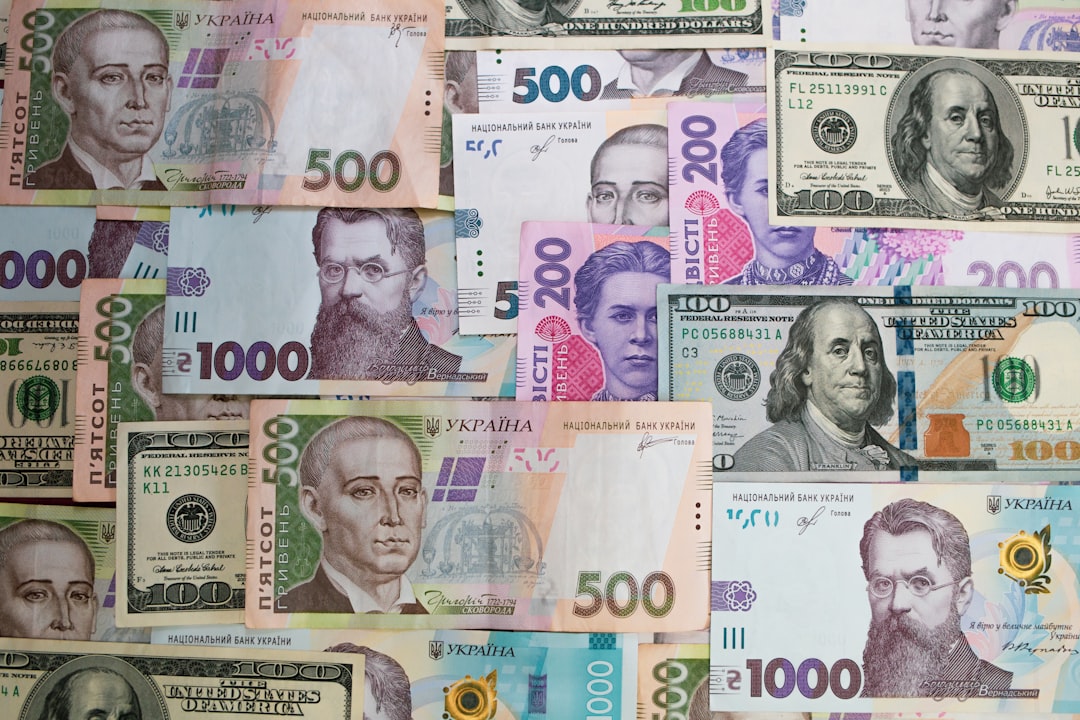
USD/HKD remains anchored within a narrow range as the Hong Kong peg mechanics offset global trade policy uncertainty and rising US yields.
The USD/HKD pair remained notably stable during Tuesday’s session, with local policy anchors and peg mechanics effectively insulating the currency from broader volatility seen in G10 pairs. While global trade-policy uncertainty pressured the Greenback, the pair traded within a tight band as market participants balanced higher U.S. Treasury yields against a cautious risk-off tone.
Macro Drivers and Market Sentiment
The primary narrative for the January 20 session centered on "policy-risk" pricing. Despite a backup in U.S. yields—with the 2-year Treasury note hovering around 3.946% and the 10-year reaching 4.27%—the US Dollar struggled to find broad momentum. Instead, fixed-income movements served to heighten volatility and drive demand for traditional risk hedges.
Key Session Developments
- Asia & London: Trading began with a cautious tilt, with the USD offered against safe-haven currencies like the CHF and JPY. UK labor market data further complicated the cross-currency landscape, influencing Sterling-related pairs.
- New York Open: As U.S. cash markets reopened following the MLK Day holiday, hedging activity intensified. Equity weakness (S&P 500 futures down approximately 1.0%) reinforced defensive positioning across the FX complex.
USD/HKD Technical Analysis and Key Levels
USD/HKD closed the session at 7.7983, edging up slightly from an open of 7.7964. The move is characterized as a USD-leg repricing, with relative interest rate differentials playing a secondary role to the overarching risk narrative.
Defined Price Levels
- Immediate Resistance: 7.7990 (Intraday High)
- Pivot/Mean Level: 7.7979
- Support: 7.7965 (Intraday Low)
- Psychological Barrier: 7.8000
Technically, the 7.7965 level remains the primary floor for bulls. A move above the 7.7990 resistance cap would be required to signal a sustained shift in momentum toward the upper end of the peg's convertibility zone.
Rates and Cross-Asset Transmission
The divergence between rising yields and a softer USD highlights that markets are currently prioritizing risk management over carry. The 10-year Bund yield at 2.768% and JGB 10-year yields at 2.163% suggest that global flows are gravitating toward liquidity and safety rather than high-beta assets. This environment typically favors the Swiss Franc as a preferred political risk hedge.
Related Reading
- USD/HKD Market Note: Peg Mechanics Anchor Spot Amid MLK Day
- USD/CHF Market Note: CHF Emerges as Preferred Hedge for Political Risk
Forward Outlook: What to Watch
Market participants should monitor several key catalysts over the next 24 hours that could break the current range-bound regime:
- US Housing Data: Building permits and housing starts data on Wednesday will provide a fresh look at policy transmission.
- Trade Policy Headlines: Any updates regarding tariffs or international trade agreements remain the dominant gap risk for Asia-linked pairs.
- Equity Flow: Continued weakness in the S&P 500 could further entrench the defensive currency rotation.
Frequently Asked Questions
Related Stories

GBP/CHF Navigates Policy Spreads Amidst Volatility
The GBP/CHF pair is currently trading at 1.04650, navigating active carry dynamics and significant policy spread divergence between the Bank of England and the Swiss National Bank.

NZDJPY Navigates Policy Spreads and Key Levels Amid Macro Swings
NZDJPY is navigating complex macro conditions, driven by policy divergence between the RBNZ and BOJ, combined with significant safe-haven demand swings. We analyze key levels and scenarios for the...

AUD/CHF Analysis: Policy Gaps and Key Levels Amid Macro Swings
The AUD/CHF is navigating a complex landscape driven by contrasting central bank policies and macro shifts. This analysis explores key levels and scenarios for the Australian Dollar to Swiss Franc...

AUD/CAD Navigates Policy Spreads & Key Levels Amid Macro Shifts
AUD/CAD is currently exhibiting rotations around its intraday midpoint of 0.96520, as traders weigh policy divergence between the RBA and BoC, alongside broader market dynamics.